
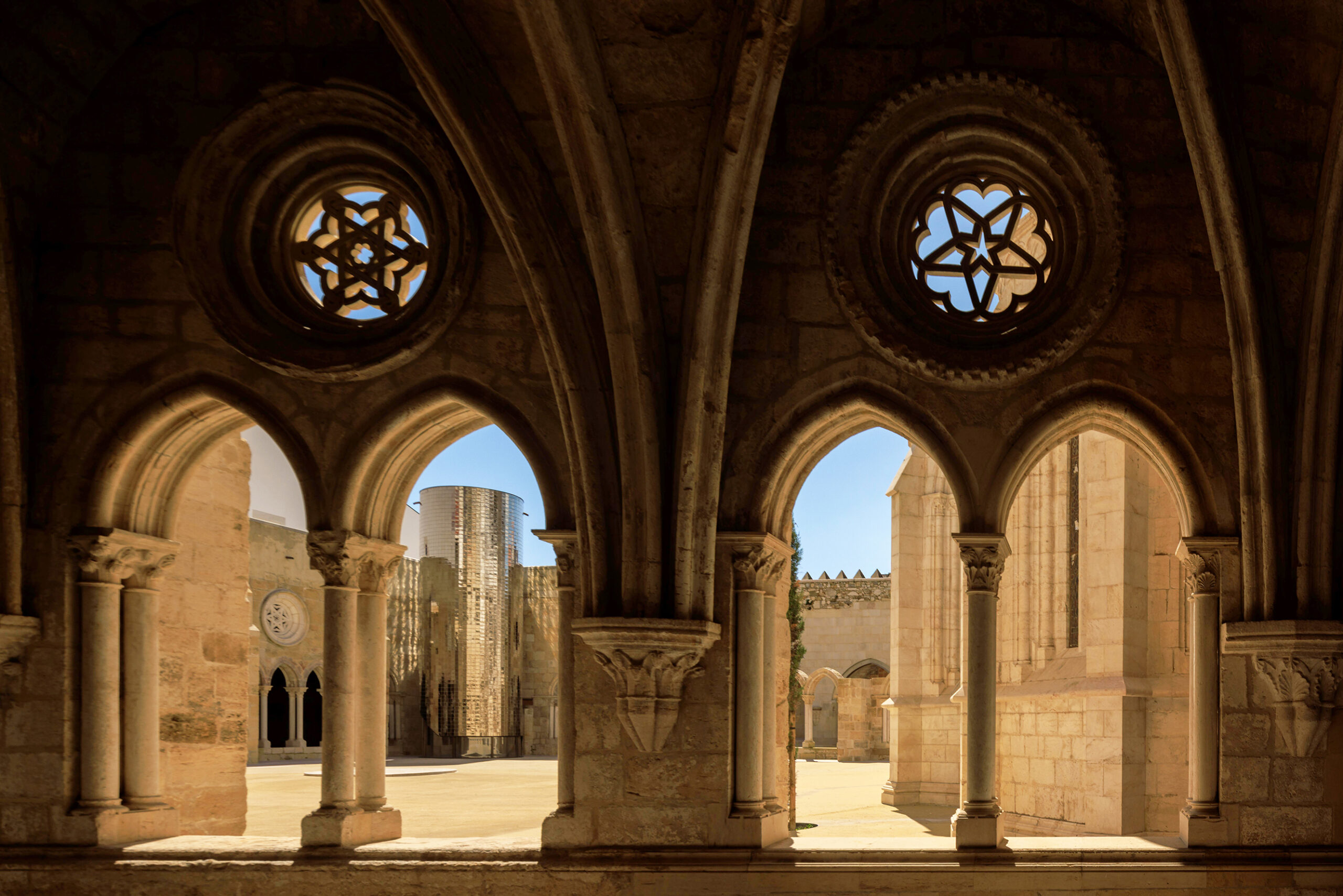
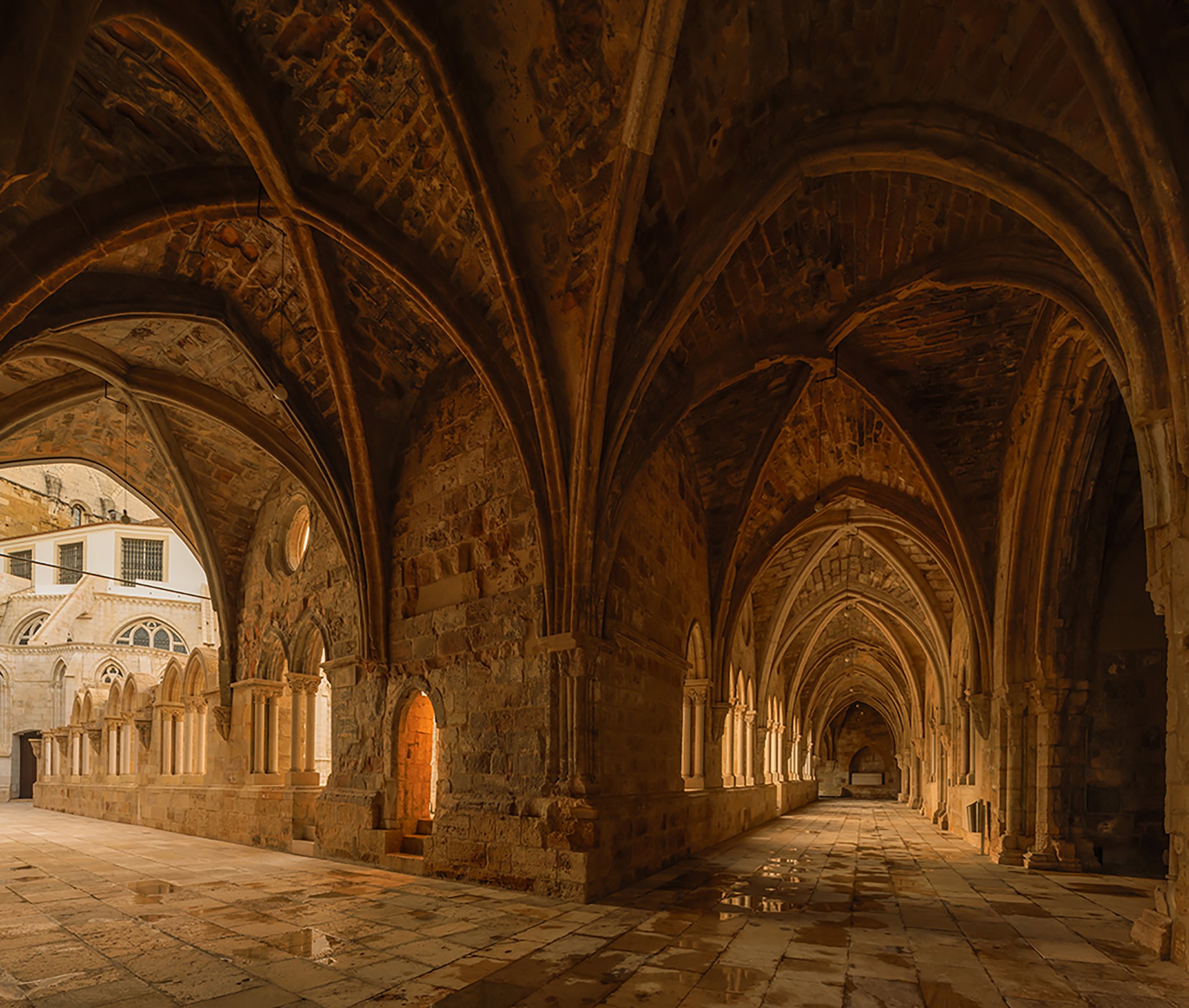

Romanesque, Gothic, Mannerist, Baroque, are the numerous classifications that historians use for the Cathedral, the building of the foundation of Portugal, built by the first King, after the conquest of the city from the Moors(1147), on the southern slope and halfway up the hillside of the Castle.
The construction of the Cathedral and its Cloister, as well as all the great temples of strong political-religious value and whose construction extended over several generations, was subject to successive alterations due to the values of the times, also due to the fact that it was always damaged and successively rebuilt, by the earthquakes that cyclically occurred in Lisbon, 1321, 1531 and 1755.
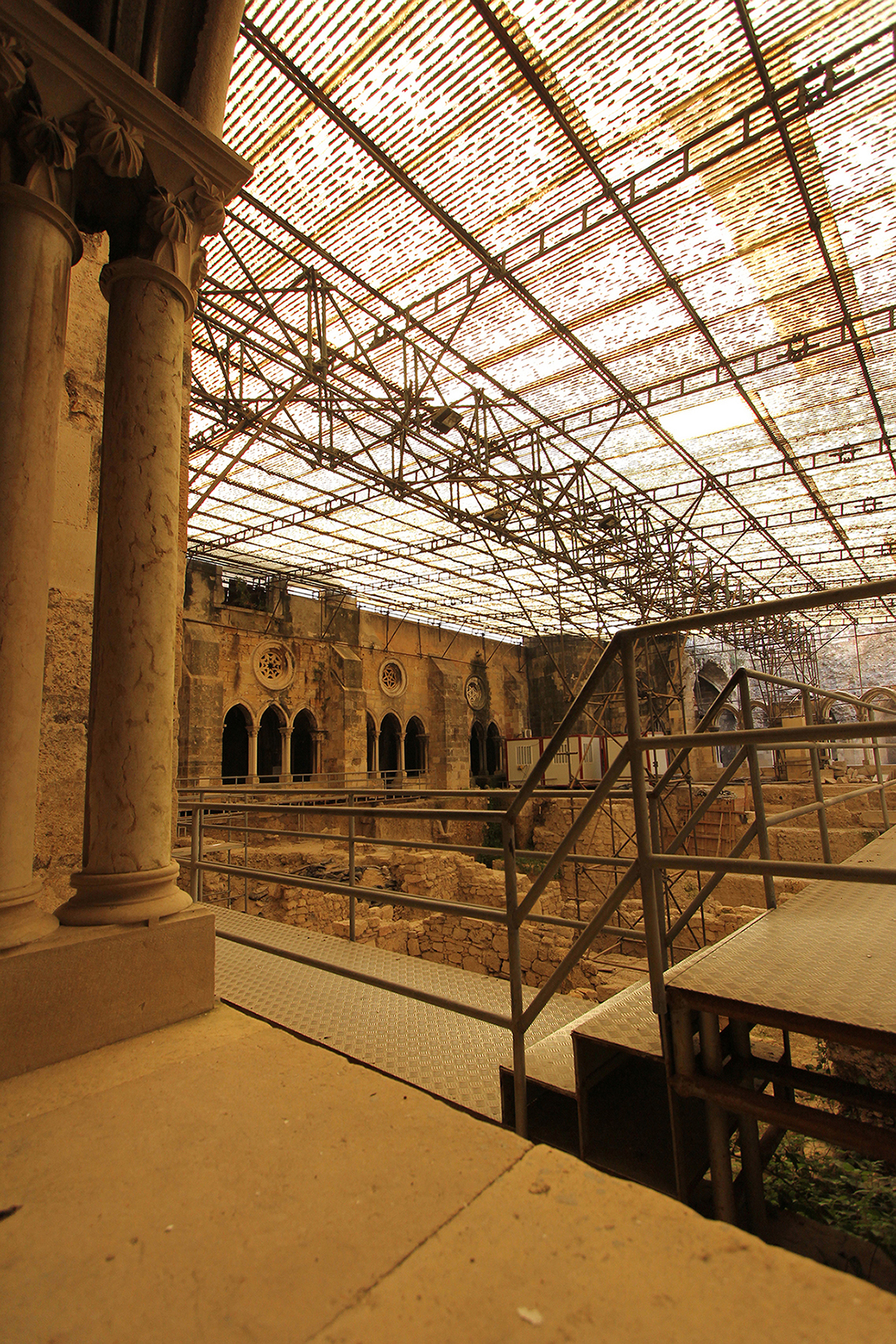
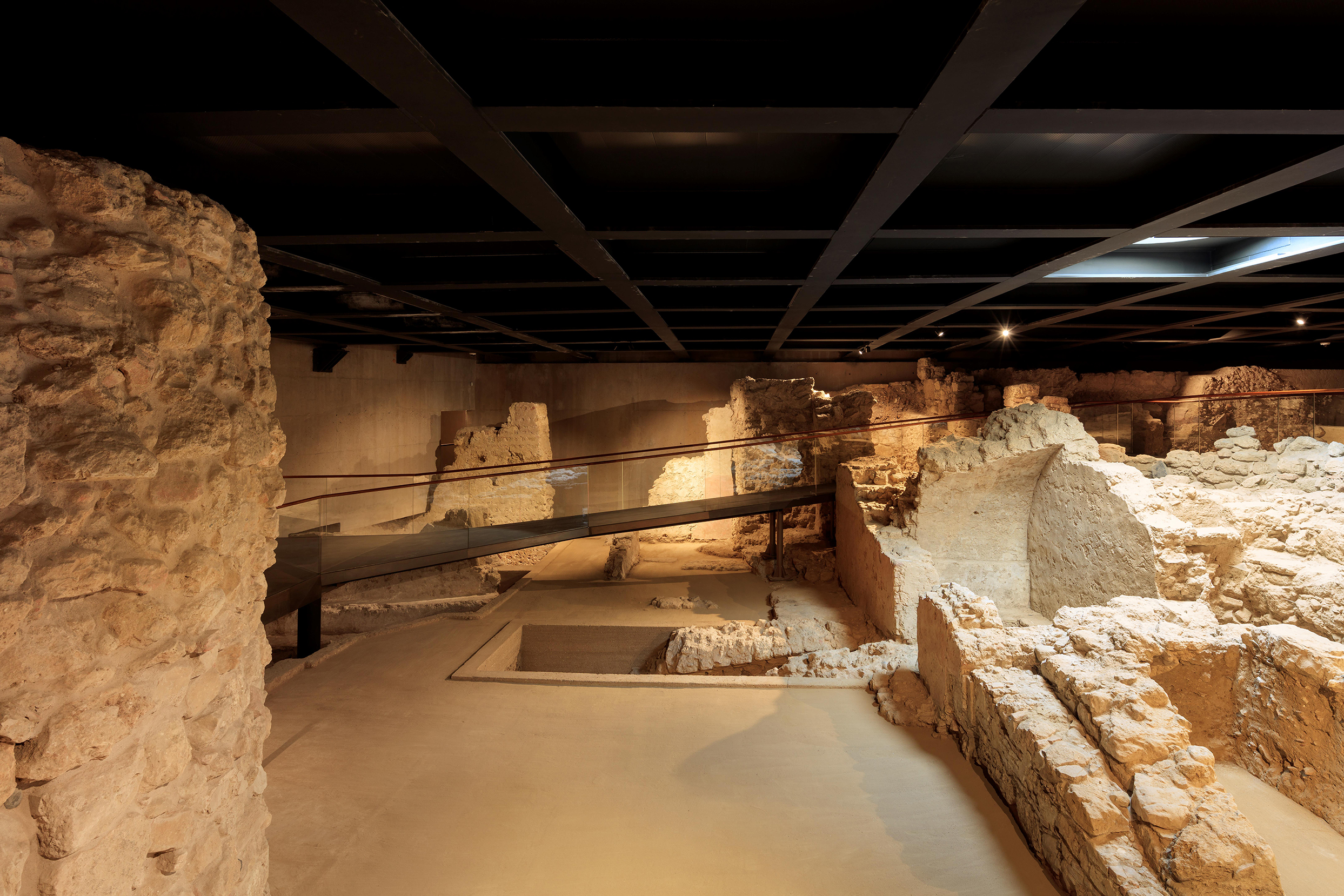
The collapse of part of the cloister garden in 1990 led to the start of a campaign of archaeological excavations. Despite the remains of the structures discovered and their importance for understanding the history of the city, the excavation carried out and its provisional covering disfigured the entire cloister space and naturally subverted all its temporal, religious, and architectural dimensions.
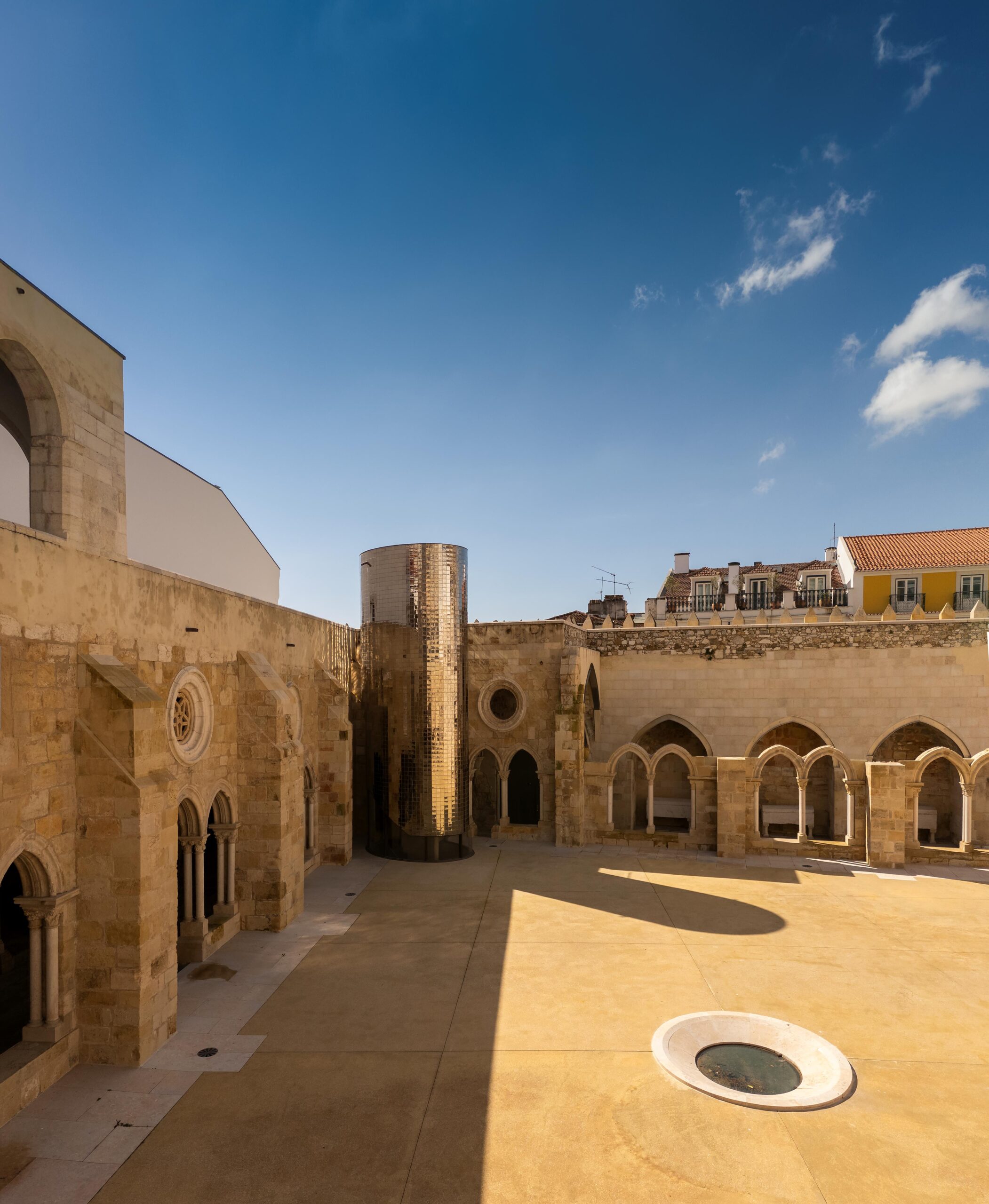
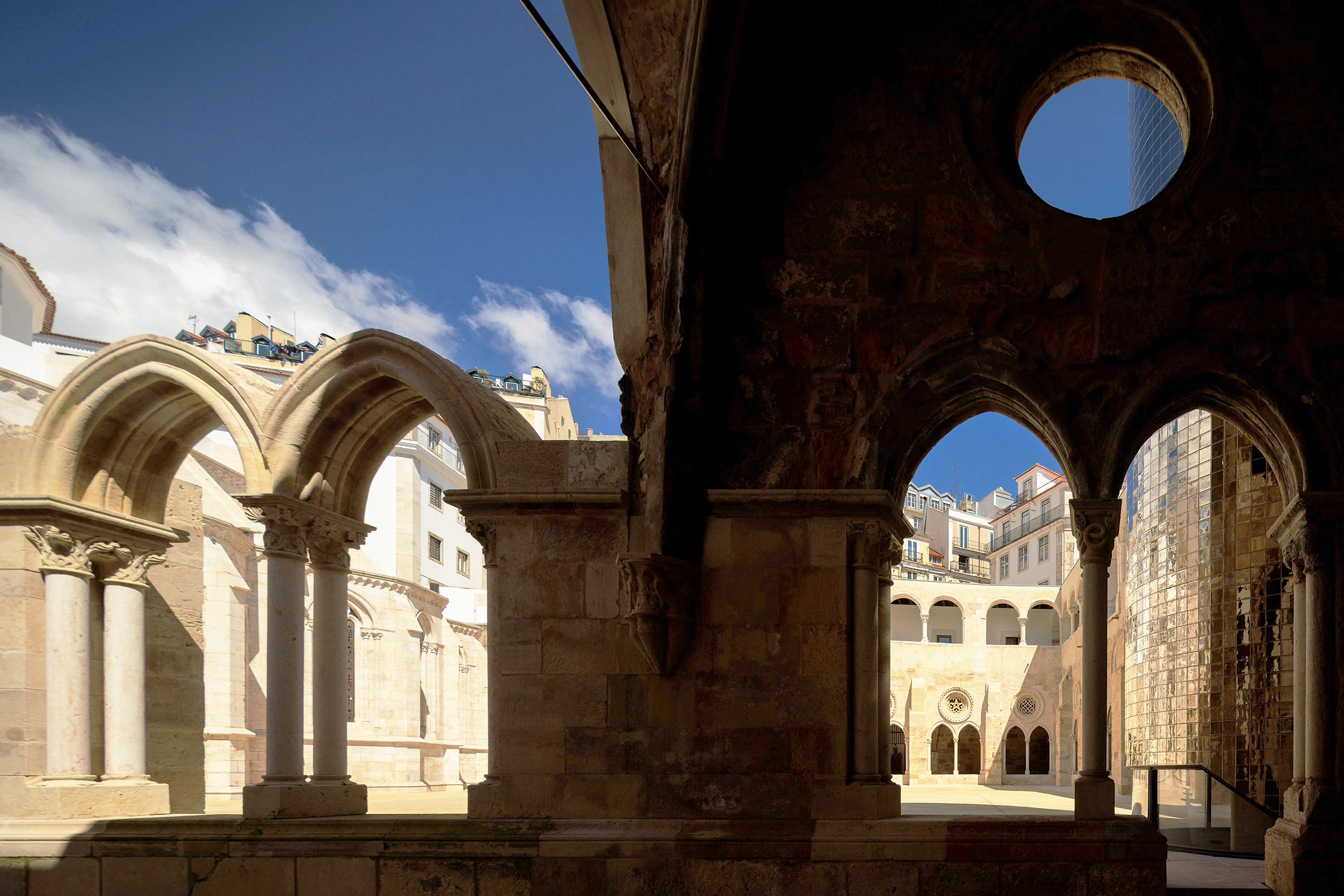
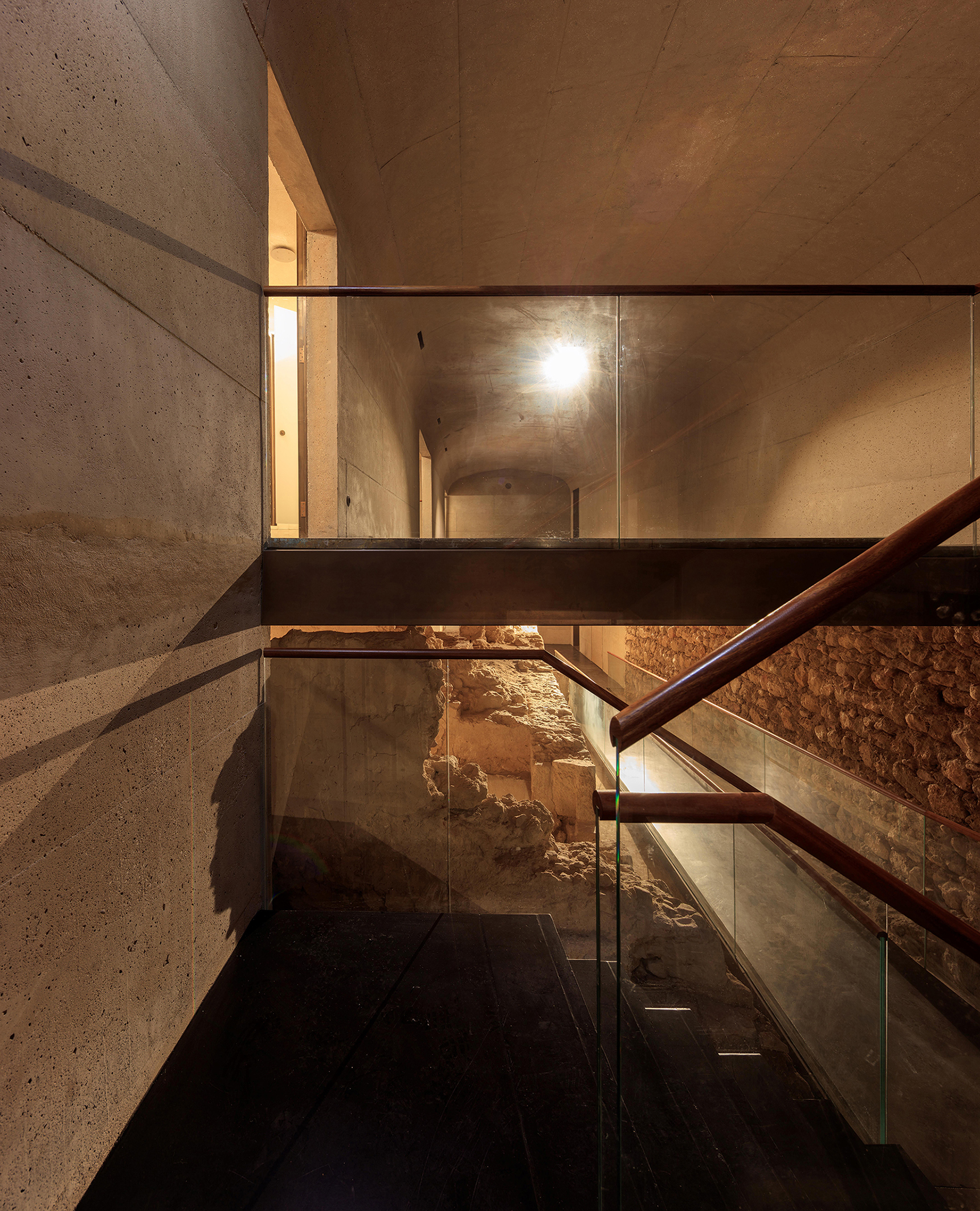
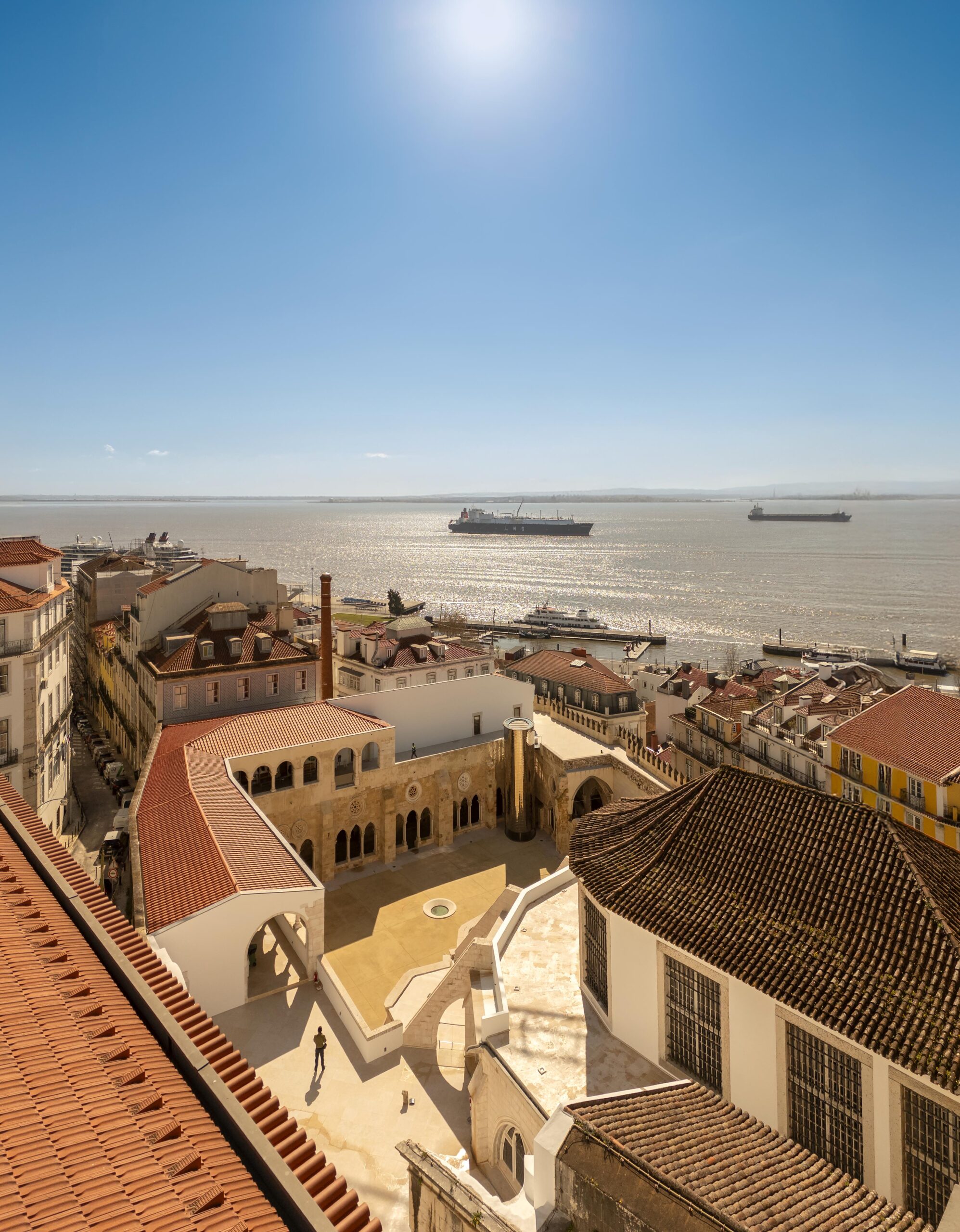
The developed project restores the space and landscape constituted by the garden and cloister, in articulation with the musealization of the archaeological ruins into a crypt, with a museum space, and the restoration of the cloisters.
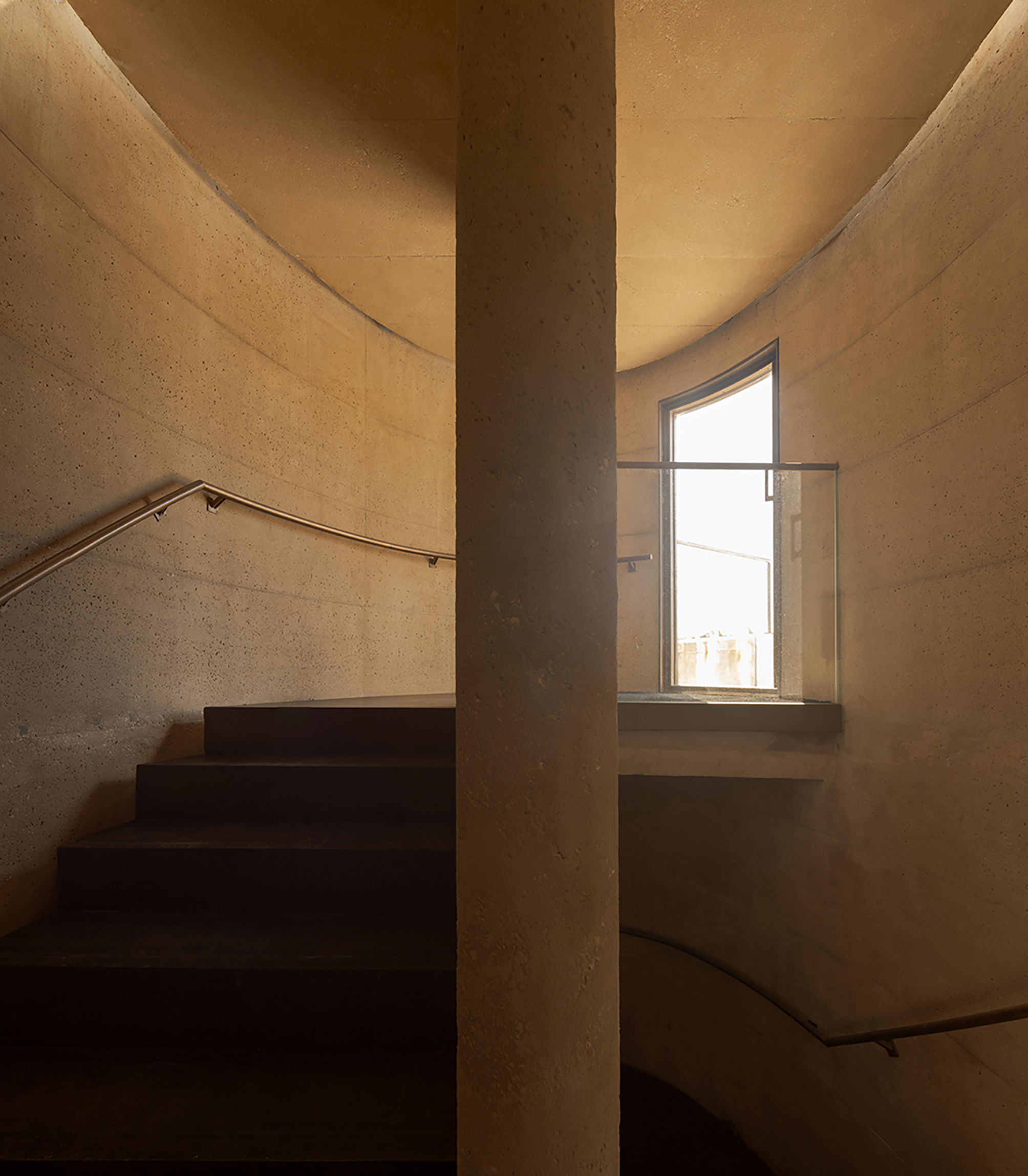
A terrace was built over the ruins, at the same level as the original garden, and the museum space under the south wing of the Cloister, in the part most damaged by the part most damaged by the last earthquake and never rebuilt. The staircase connecting the different levels is the inevitable and visible gesture of intervention, and of contemporaneity.
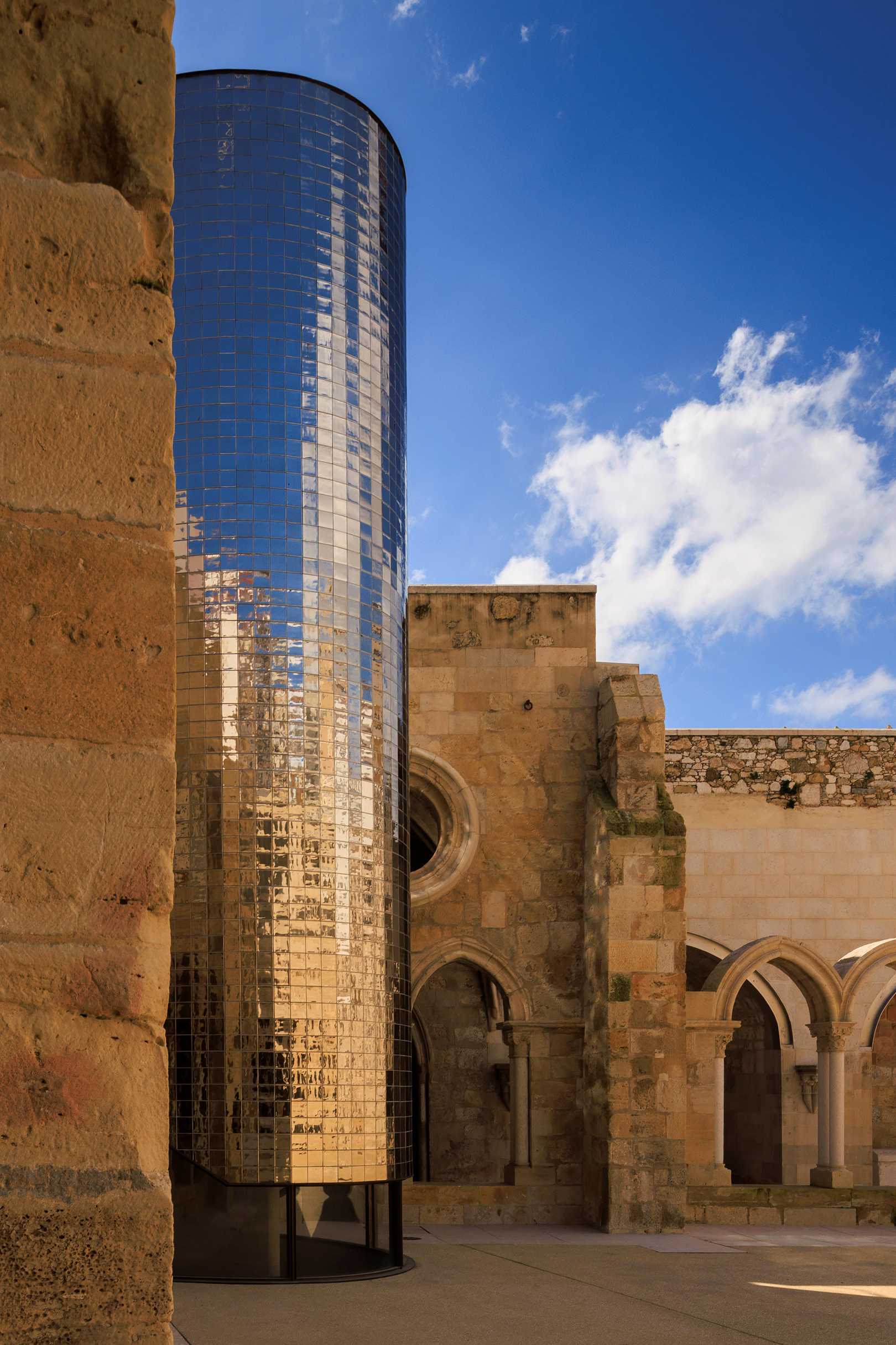
It is an ellipse-shaped temple, and is located in the east-south corner of the cloister, compact and on a glass base, covered in mirrored handmade tiles to reflect and expand the surrounding landscape, serene and tranquil as desired in this holy field.